The real estate industry is undergoing a digital transformation unlike anything seen before. As technology continues to reshape how properties are bought, sold, managed, and invested in, Property Technology (PropTech) has become a driving force behind innovation in the sector.
In 2026, the adoption of advanced technologies is no longer optional—it’s essential for staying competitive in an increasingly digital marketplace. From artificial intelligence to smart buildings and blockchain-powered transactions, PropTech is revolutionizing the property landscape for developers, investors, agents, and consumers alike.
Let’s explore the top PropTech trends shaping the property market in 2026.
1. Artificial Intelligence Takes Center Stage
Artificial Intelligence (AI) is transforming every stage of the real estate journey. Property companies are leveraging AI to analyze market trends, predict property values, automate customer interactions, and personalize property recommendations.
AI-powered tools can now process vast amounts of data to identify investment opportunities, assess risks, and forecast market movements with remarkable accuracy. Real estate professionals are using AI-driven chatbots and virtual assistants to provide instant customer support and streamline lead generation.
As AI becomes more sophisticated, its role in decision-making and operational efficiency will continue to expand across the industry.
2. Smart Buildings Become the New Standard
The demand for smart homes and intelligent commercial properties is growing rapidly. Today’s tenants and buyers expect buildings equipped with connected technologies that enhance comfort, convenience, and energy efficiency.
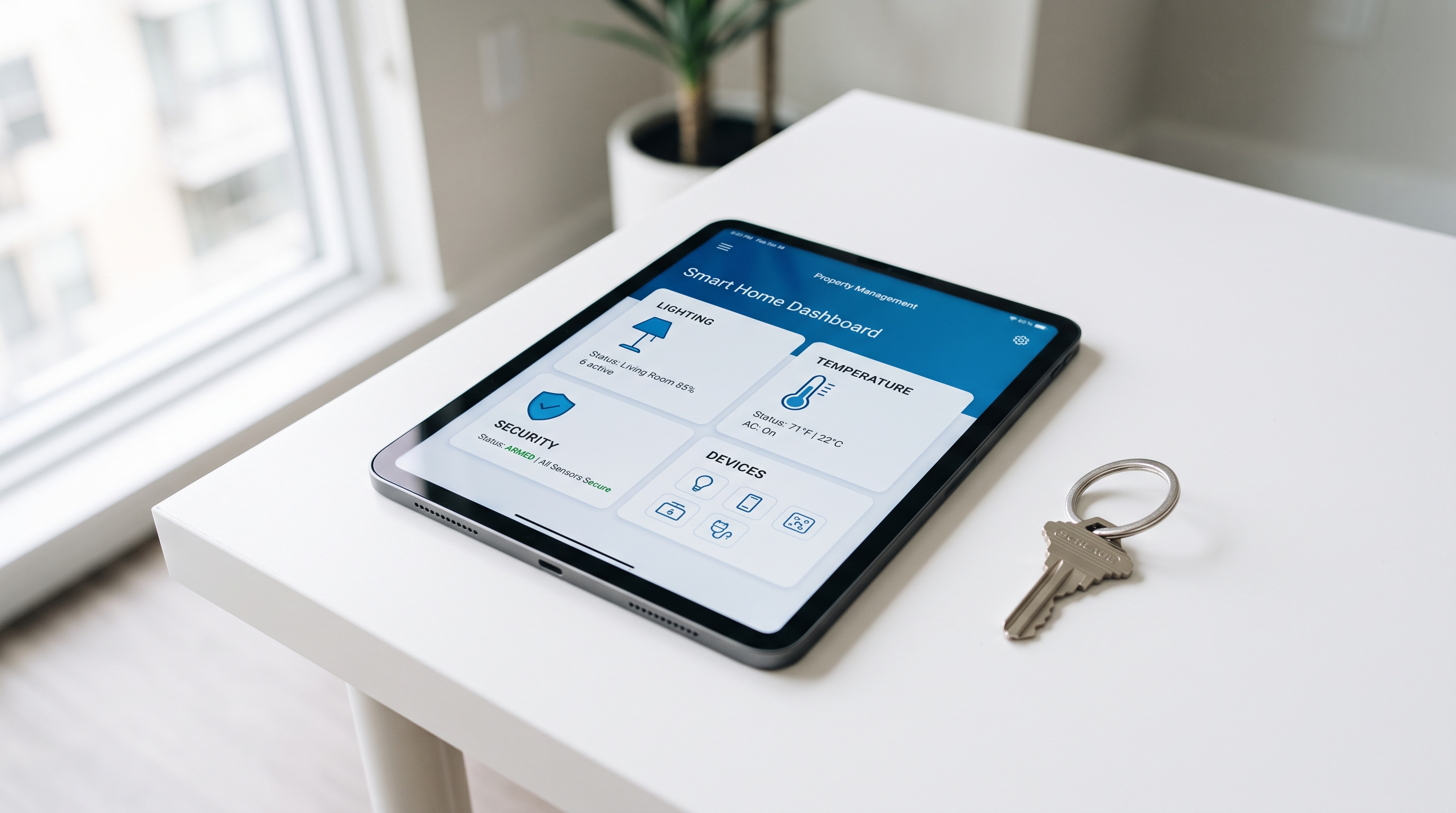
Smart buildings utilize Internet of Things (IoT) devices to monitor and control lighting, security, HVAC systems, and energy consumption in real time. These systems not only improve occupant experiences but also help property owners reduce operational costs.
In 2026, sustainability and smart technology are increasingly intertwined, making intelligent buildings highly attractive in competitive markets.
3. Virtual and Augmented Reality Enhance Property Experiences
Virtual Reality (VR) and Augmented Reality (AR) have fundamentally changed how properties are marketed and viewed.
Prospective buyers and tenants can now explore properties remotely through immersive virtual tours, reducing the need for physical visits and accelerating decision-making. AR applications allow users to visualize renovations, furniture placement, and interior designs before making a purchase.
These technologies provide a more engaging and convenient property search experience, helping real estate professionals reach broader audiences.
4. Data-Driven Real Estate Decisions
Data has become one of the most valuable assets in modern real estate.
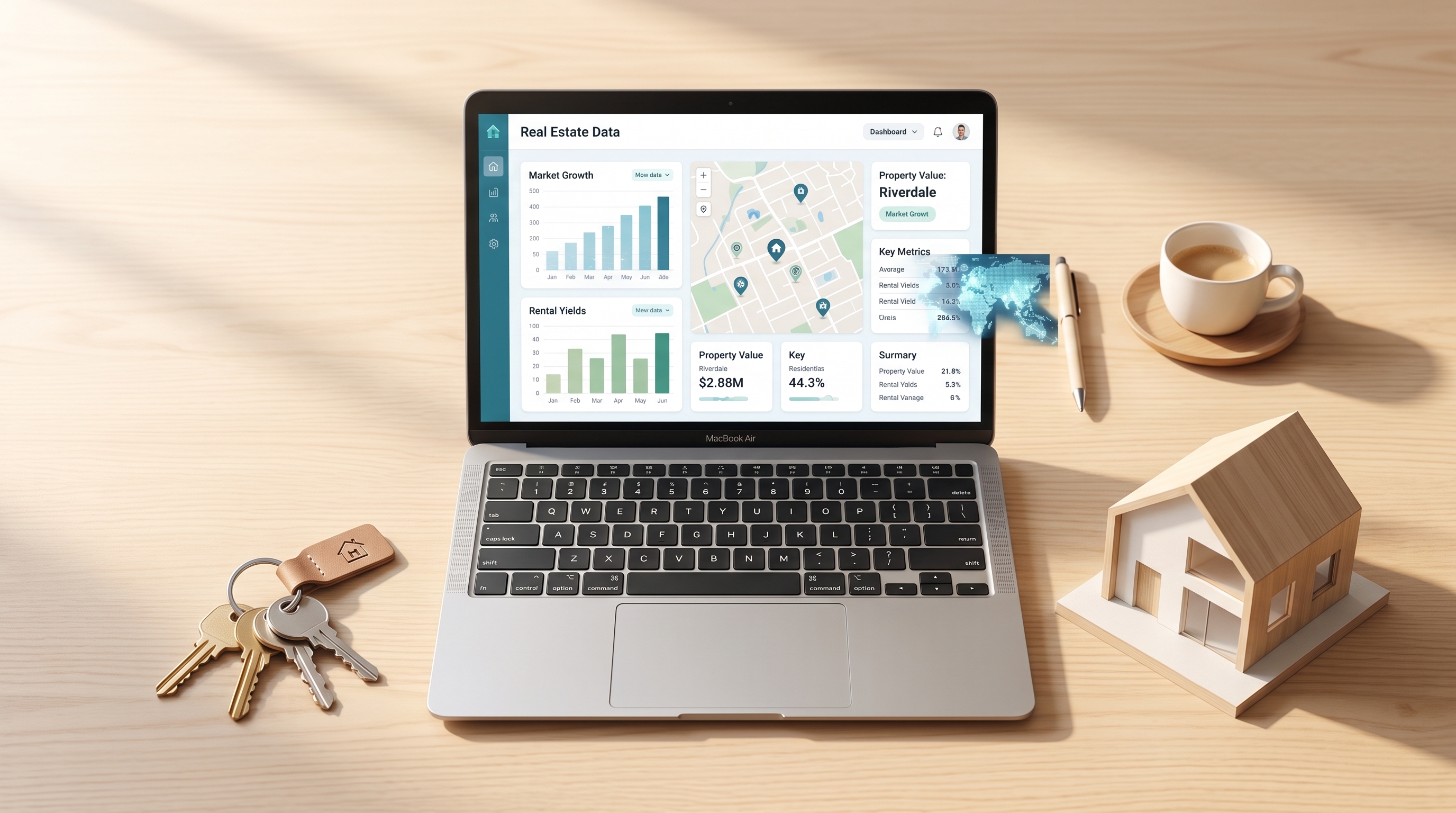
PropTech platforms are harnessing big data analytics to provide insights into market performance, demographic shifts, rental trends, and investment opportunities. Investors can make more informed decisions by analyzing real-time market intelligence rather than relying solely on historical data.
The ability to identify emerging neighborhoods, predict demand, and optimize pricing strategies gives property stakeholders a significant competitive advantage.
5. Blockchain Simplifies Property Transactions
Blockchain technology is making property transactions more secure, transparent, and efficient.
Traditionally, real estate transactions involve multiple intermediaries, extensive paperwork, and lengthy verification processes. Blockchain enables the creation of secure digital records that streamline property transfers and reduce administrative burdens.
Smart contracts are becoming increasingly popular, allowing agreements to be executed automatically when predefined conditions are met. This innovation reduces delays, minimizes fraud risks, and improves trust among all parties involved.
6. Property Management Automation Gains Momentum
Property management is becoming smarter through automation technologies.
From rent collection and maintenance scheduling to tenant communication and lease management, digital platforms are helping property managers save time and improve service delivery.
Automated systems can identify maintenance issues before they become costly problems, while tenant portals provide convenient self-service options for residents.
As operational efficiency becomes a priority, automation is expected to play a larger role in residential and commercial property management.
7. Sustainable PropTech Solutions Drive Growth
Environmental responsibility is now a major consideration for property developers and investors.
PropTech innovations are enabling greener buildings through energy management systems, smart water monitoring, renewable energy integration, and carbon footprint tracking. Governments and consumers alike are placing greater emphasis on sustainability, pushing the industry toward environmentally conscious solutions.
Properties that prioritize sustainability often experience higher occupancy rates, increased asset value, and stronger long-term performance.
8. Digital Property Marketplaces Continue to Expand
Online property platforms have evolved beyond simple listing websites.
Modern digital marketplaces now integrate mortgage services, legal documentation, valuation tools, investment analytics, and virtual viewing capabilities into a single ecosystem. These all-in-one platforms create seamless experiences for buyers, sellers, and investors.
As consumers increasingly prefer digital-first interactions, property marketplaces will continue to grow in sophistication and popularity.
9. Fractional Property Investment Goes Mainstream
Technology is making real estate investment more accessible than ever.
Fractional ownership platforms allow investors to purchase shares in high-value properties rather than acquiring entire assets. This lowers barriers to entry and enables broader participation in real estate markets.
In 2026, digital investment platforms are attracting younger investors who seek diversification, flexibility, and lower capital requirements.
10. Cybersecurity Becomes a Critical Priority
As real estate operations become increasingly digital, protecting sensitive data has become essential.
Property companies handle large volumes of financial, personal, and transactional information, making them attractive targets for cybercriminals. Consequently, cybersecurity investments are becoming a top priority across the industry.
Advanced encryption, secure cloud infrastructure, multi-factor authentication, and regular security audits are helping organizations safeguard their digital assets and maintain customer trust.
The Future of PropTech
The property market in 2026 is being shaped by innovation, connectivity, and data-driven decision-making. PropTech is no longer simply a trend—it’s the foundation of a smarter, more efficient, and more customer-focused real estate ecosystem.
Organizations that embrace emerging technologies will be better positioned to improve operational efficiency, enhance customer experiences, and unlock new growth opportunities. As the pace of innovation accelerates, the future of real estate will belong to those who are willing to adapt and evolve.
Whether you’re a developer, investor, property manager, or homebuyer, understanding these PropTech trends is essential for navigating the rapidly changing property landscape.