Managing one property is one thing.
Managing dozens, hundreds, or even thousands of properties is something completely different.
As Nigeria’s real estate market continues to grow, property owners and managers are dealing with more tenants, more maintenance requests, more payments, more documentation, more communication and more operational decisions.
The problem is that many property management processes are still being handled manually.
Spreadsheets. WhatsApp messages. Paper records. Phone calls. Manual payment tracking.
These methods may work when a portfolio is small. But as a property portfolio grows, they can quickly become difficult to manage.
This is where technology becomes more than a convenience.
It becomes an operational necessity.
The Problem With Managing Property Manually
Property management involves many moving parts.
A manager may need to know:
- Which properties are occupied.
- Which tenants have outstanding payments.
- When leases expire.
- Which maintenance requests are pending.
- Which contractors are working on specific properties.
- Which visitors have been approved.
- How much income each property generates.
- How much is being spent on maintenance.
- What issues require immediate attention.
When all of this information exists across different spreadsheets, messages, notebooks and conversations, it becomes difficult to maintain a single, reliable view of the property portfolio.
Information can be duplicated.
Requests can be forgotten.
Payments can be difficult to reconcile.
And management decisions can become reactive instead of proactive.
Scale Changes Everything
A landlord managing one apartment may be able to remember most of what is happening.
A property manager responsible for 100 units cannot rely on memory.
This is where technology starts to make a significant difference.
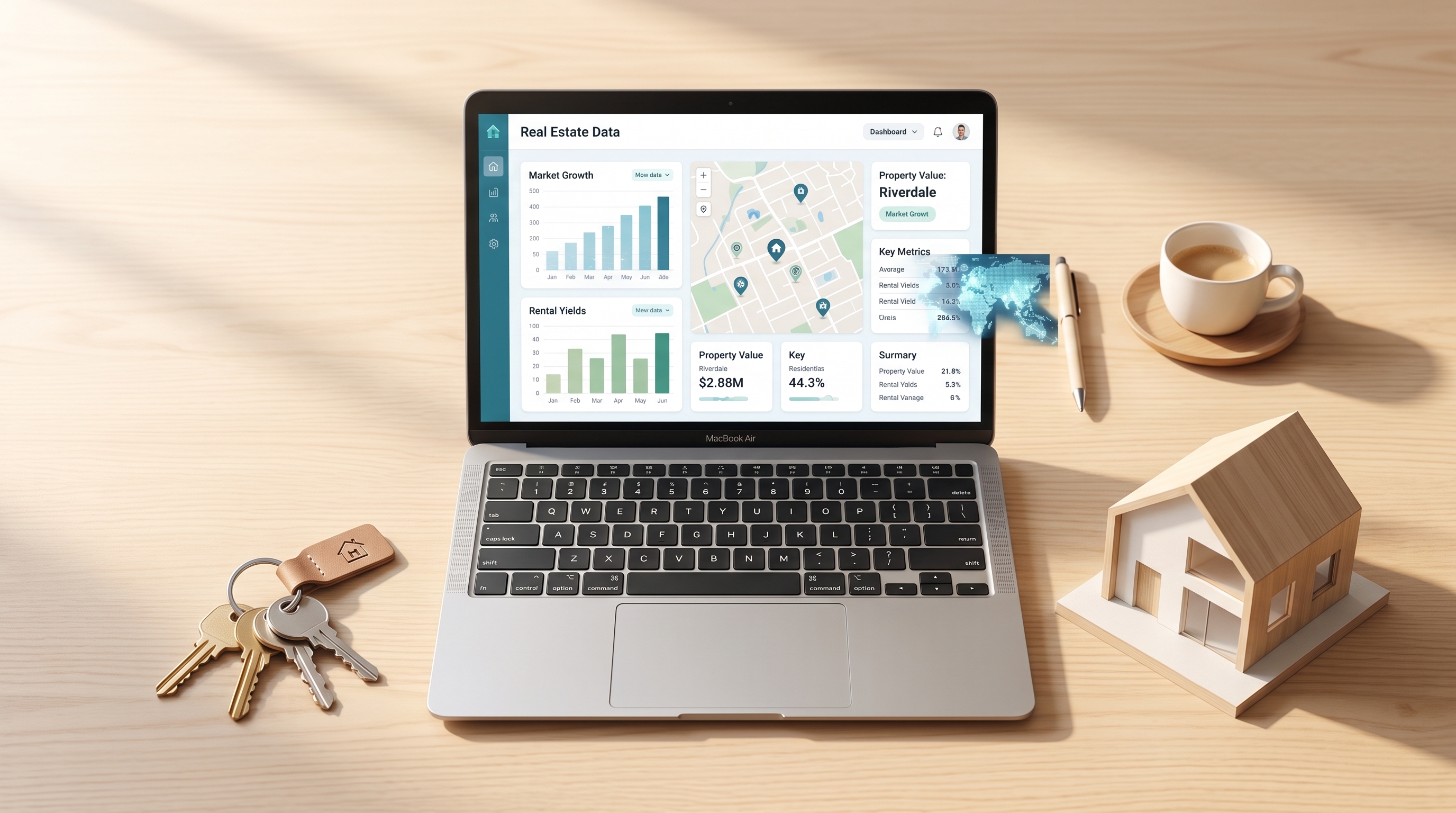
A properly designed property management platform can bring important information into one system, allowing managers to monitor operations from a central dashboard.
Instead of searching through multiple conversations to find information, managers can have access to structured records and real-time updates in one place.
Maintenance Is a Good Example
Consider a tenant reporting a leaking pipe.
In a manual system, the process might look like this:
The tenant sends a WhatsApp message.
The property manager reads it.
The manager contacts a technician.
The technician visits the property.
The manager waits for an update.
The tenant follows up.
The manager searches through previous messages.
This process can become complicated when dozens of maintenance requests are happening simultaneously.
A digital system can create a structured workflow:
Request → Assignment → Update → Completion → Record
Every stage can be tracked.
This creates accountability for both the property manager and the service provider.
Property Data Should Not Be Scattered
Another major advantage of technology is centralised information.
Instead of keeping tenant information, payment records, maintenance history and property details in separate places, a property management platform can connect these records.
This creates something extremely valuable:
A complete digital picture of the property.
Over time, this information can help managers understand patterns.
Which properties generate the most maintenance requests?
Which facilities require frequent repairs?
Which tenants have outstanding payments?
Which areas have recurring operational problems?
Which properties are performing better?
These are questions that become easier to answer when data is properly organised.
Technology Can Improve the Tenant Experience
Property management technology is not only about helping the manager.
It can also improve the tenant’s experience.
Tenants increasingly expect simple digital interactions.
They want to be able to:
- Submit maintenance requests.
- Receive updates.
- Make payments.
- Access important information.
- Communicate with management.
- Track the progress of requests.
The easier these processes become, the less friction exists between tenants and property managers.
Good technology can therefore improve both operational efficiency and customer experience.
Automation Reduces Repetitive Work
Property managers spend significant amounts of time on repetitive administrative tasks.
Payment reminders.
Maintenance updates.
Tenant notifications.
Document management.
Reporting.
Follow-ups.
When these processes can be automated, managers can spend more time on activities that require human judgement and strategic thinking.
Automation does not replace the property manager.
It helps the property manager work better.
Better Data Leads to Better Decisions
One of the biggest benefits of digital property management is visibility.
When property information is properly captured and organised, managers can make decisions based on actual data rather than assumptions.
For example, instead of simply knowing that maintenance costs are increasing, a manager can identify which properties, facilities or issues are responsible.
Instead of discovering payment problems at the end of the month, management can monitor outstanding balances throughout the month.
Instead of waiting for tenants to repeatedly complain about the same issue, recurring problems can be identified and addressed.
That is the difference between simply managing property and managing property intelligently.
The Future of Property Management Is Connected
As Nigeria’s property market becomes more sophisticated, property management will increasingly depend on connected digital systems.
Property management platforms, smart access systems, digital payments, automated communication, maintenance workflows and data analytics can work together to create a more efficient property ecosystem.
The goal is not technology for technology’s sake.
The goal is to make property management:
Simpler. Faster. More transparent. More accountable. More scalable.
What Property Owners Should Be Asking
If you own or manage a growing property portfolio, the question should no longer be:
“Do I need technology?”
A better question is:
“Where is technology currently missing from my property operations?”
Look at your payment process.
Look at maintenance.
Look at communication.
Look at reporting.
Look at tenant records.
Look at access management.
Look at how much time your team spends doing repetitive administrative work. These areas can reveal where digital transformation can create the greatest impact.
Conclusion
Real estate may be built on physical assets, but managing those assets increasingly requires digital infrastructure. As portfolios grow, manual systems become harder to maintain, information becomes more difficult to track and operational complexity increases.Technology provides a way to bring these moving parts together.
At Roots PropTech, we believe the future of property management lies in creating connected systems that make real estate operations easier to manage, easier to monitor and easier to scale.
The future of property management isn’t simply about managing more properties. It’s about managing them smarter.