For generations, real estate decisions have often been driven by experience, intuition and personal relationships.
An investor hears about a location.
A developer sees an opportunity.
A landlord notices increasing demand.
A property manager makes a decision based on what has worked before.
Experience still matters.
But the real estate industry is entering a period where data can make those decisions significantly smarter.
The future of real estate will not simply belong to people who own the most properties.
It will increasingly belong to those who understand their properties best.
What Is Property Data?
Property data is information collected about a property, its occupants, its operations and its surrounding environment.
This can include:
- Rental and payment information.
- Occupancy rates.
- Maintenance records.
- Tenant requests.
- Property expenses.
- Access activity.
- Energy consumption.
- Property values.
- Location information.
- Market demand.
- Historical performance.
Individually, each piece of information may seem ordinary.
Together, they can tell a powerful story about how a property is performing.
From Guesswork to Evidence
Imagine an investor is considering purchasing an apartment building.The traditional approach might involve looking at the location, speaking with agents, checking comparable properties and making an investment decision based on experience.
A data-driven approach goes further. The investor can examine rental demand, historical prices, occupancy patterns, maintenance costs, surrounding development and other relevant indicators. The objective isn’t to remove human judgement. It is to give that judgement better information.
Data Can Help Property Managers Identify Problems Earlier
Property management is full of patterns. A particular building may generate more maintenance requests than others.A particular facility may require repairs repeatedly.A particular period may consistently experience higher tenant turnover. Without organised data, these patterns can easily go unnoticed.
With the right systems, managers can identify recurring issues and investigate them before they become larger operational problems.This can improve efficiency and potentially reduce unnecessary costs.
Understanding Tenant Behaviour
Tenants are one of the most important sources of information in property management.Their behaviour can reveal what is working and what is not.For example, property managers can analyse patterns around:
- Maintenance requests.
- Payment behaviour.
- Lease renewals.
- Complaints.
- Facility usage.
- Communication.
These insights can help management understand the tenant experience and identify areas that need improvement. The goal should not be to collect information simply because it is available.The goal is to use useful information responsibly to improve the property experience.
Data Can Improve Maintenance
Maintenance is one area where data can create significant value. Instead of treating every repair as an isolated incident, property managers can build a history of maintenance activity.
Over time, that history can answer questions such as:
Which assets fail most frequently?
Which buildings require the most maintenance?
How much is being spent on recurring repairs?
Which problems should be addressed permanently rather than repeatedly repaired?
This can help property managers move from reactive maintenance toward more planned and preventive approaches.
Developers Can Use Data Too
Data is not only useful after a property has been built. It can also influence development decisions. Developers can use market information to better understand what buyers and tenants are looking for.
For example:
What type of housing is in demand?
What amenities matter most?
Which locations are attracting new residents?
What price points are realistic?
What infrastructure gaps exist?
The answers can help developers design projects around actual market needs.
Investors Can Compare Opportunities More Intelligently
Real estate investors often have several opportunities competing for their attention. Instead of looking only at the purchase price, investors can consider a wider range of indicators.
These might include:
Purchase cost + expected income + occupancy + operating expenses + maintenance + location factors + future development.
This creates a more complete picture of the potential opportunity. Data doesn’t guarantee a successful investment. But better information can help reduce avoidable uncertainty.
Smart Properties Will Generate More Data
As more properties adopt digital systems, the amount of available property data will continue to increase. Smart access systems can generate access records. Digital payment platforms can provide transaction histories.
Property management systems can record maintenance activity. Building systems can monitor utilities. Resident platforms can capture service requests and communication. When these systems are connected appropriately, property managers can gain a much clearer understanding of what is happening across their developments.
The Importance of Responsible Data Management
More data also means greater responsibility. Property information can contain sensitive personal and financial details.
That means property companies need to think carefully about:
- Who can access information.
- How information is stored.
- How information is shared.
- What information is actually necessary.
- How long information should be retained.
- How systems are protected.
Technology should improve trust, not undermine it.
The Competitive Advantage of Data
In a competitive real estate market, having better information can become a significant advantage.
A property company that understands its operations can identify inefficiencies faster.
A developer that understands its market can make better-informed development decisions.
A property manager that understands tenant behaviour can improve the resident experience.
An investor that understands property performance can evaluate opportunities more effectively.
The competitive advantage isn’t simply having data.
It is knowing what to do with it.
From Property Management to Property Intelligence
This is where the future of PropTech becomes particularly interesting.
The industry is moving from simply digitising existing processes toward creating systems that help people understand what is happening across their properties.
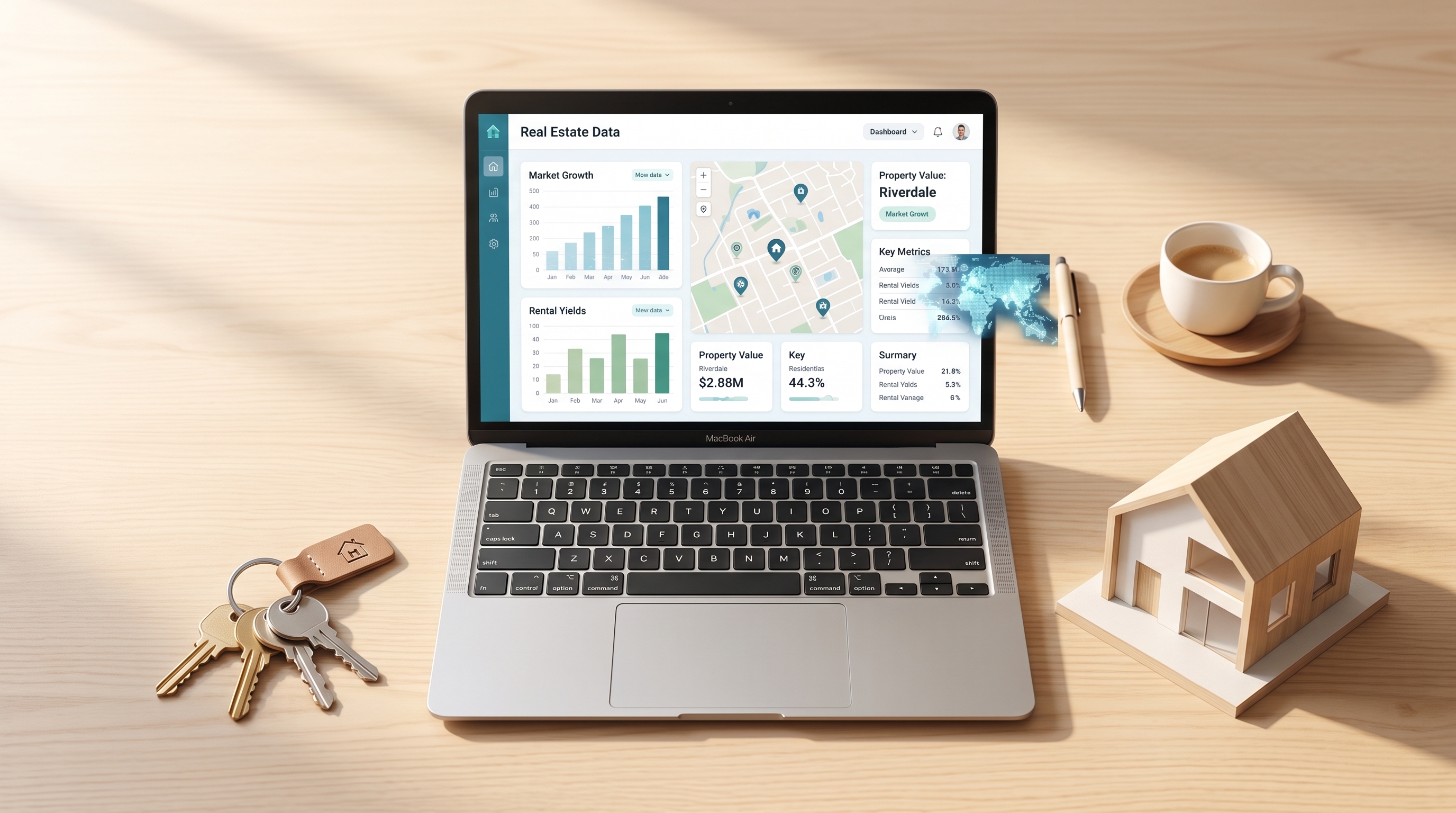
That means dashboards instead of scattered spreadsheets. Insights instead of isolated records. Trends instead of assumptions. Predictions instead of purely reactive decisions.
The ultimate goal is property intelligence.
Conclusion
Real estate will always require human judgement. Relationships will matter. Experience will matter. Local knowledge will matter.
But increasingly, successful property decisions will also depend on something else:
Good data.
As Nigeria’s property market becomes more connected and technology-driven, organisations that can collect, organise and responsibly use property data will be better positioned to understand their assets, improve operations and respond to changing market conditions.
At Roots PropTech, we believe technology should do more than digitise property management. It should help property professionals see more, understand more and make better decisions.
The future of real estate isn’t just smarter buildings. It’s smarter decisions.