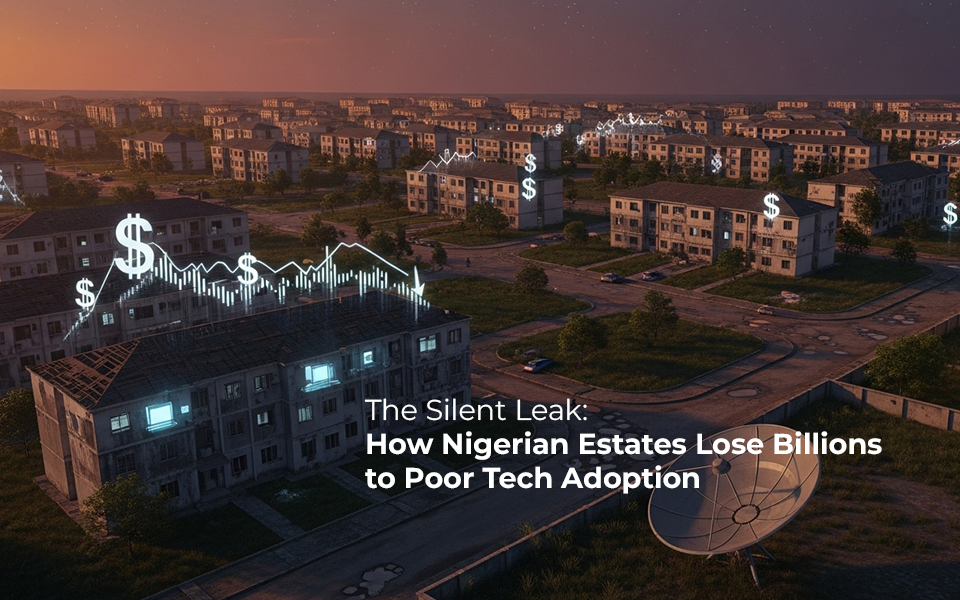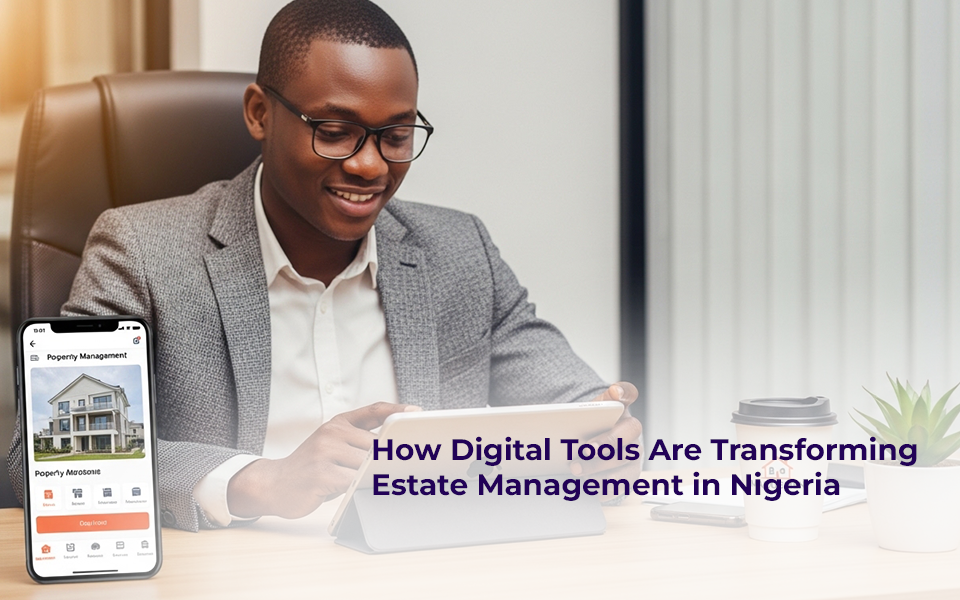
Nigeria’s real estate sector is expanding at a pace never seen before. Rapid urbanization, population growth, diaspora investment, and rising demand for structured living environments have increased pressure on estate managers, developers, and investors alike. Yet while the scale of development has changed, many estate management practices have remained stuck in the past.
Manual record-keeping, paper billing, fragmented communication, and human-dependent processes continue to dominate estate operations nationwide. These systems are no longer sufficient for efficiently or profitably managing modern estates. Digital tools and PropTech solutions are now reshaping estate management in Nigeria — not as a luxury, but as a necessity.
The Old Estate Management Model Is Breaking Down
Traditional estate management relies heavily on human intervention. Rent schedules are tracked manually, maintenance requests are logged through phone calls or informal messages, and financial reporting is often delayed or inaccurate. As estates grow in size, these inefficiencies multiply.
For investors, this creates uncertainty. Without real-time visibility into cash flow and expenses, it becomes difficult to assess asset performance accurately. For developers, operational bottlenecks reduce scalability and increase post-handover challenges. For residents, the experience often feels disorganized and frustrating. Digital tools directly address these pain points by introducing structure, automation, and transparency into estate operations.
What Digital Estate Management Really Means
Digital estate management is not just about using software — it is about creating an integrated operational system. This includes:
- Automated billing and rent collection
- Centralized resident and unit records
- Maintenance request tracking and resolution
- Financial reporting and performance dashboards
- Communication platforms for residents and management
These tools bring all estate activities into a single ecosystem, allowing stakeholders to interact with the estate in real time.
Why Investors Are Embracing Digital Estate Management
For property investors, digital tools significantly reduce risk. Automated systems eliminate many of the loopholes that lead to revenue leakages, such as missed payments, under-reporting, or inconsistent records.
Real-time dashboards allow investors to monitor:
- Occupancy rates
- Payment compliance
- Operational costs
- Net returns
This level of visibility builds confidence, especially for investors managing multiple properties or investing remotely. In a market like Nigeria, where trust and transparency are critical, digital estate management becomes a powerful asset protection tool.
How Developers Benefit From Digital Integration
Developers who integrate digital tools early gain long-term advantages. Estates designed with technology in mind are easier to manage, more attractive to buyers, and more scalable over time.
Digital infrastructure allows developers to:
- Standardize estate operations
- Reduce long-term management costs
- Increase property value and market appeal
- Transition estates smoothly to professional management
In addition, tech-enabled estates stand out in an increasingly competitive real estate market, especially among younger buyers and diaspora investors who expect structured systems.
The Impact on Estate Residents
For residents, digital estate management improves everyday living. Clear billing, transparent communication, and faster issue resolution remove much of the friction traditionally associated with estate living.
- Residents can:
- View bills and payment history
- Submit and track maintenance requests
- Receive official estate updates
- Communicate with management through verified channels
- This transparency builds trust and reduces disputes, creating a healthier estate community.
Digital Tools as a Growth Enabler for Nigeria’s Real Estate Sector
As Nigeria’s real estate sector matures, operational excellence will increasingly define success. Digital estate management tools enable estates to grow without losing control, efficiency, or accountability. Technology also opens the door for data-driven decision-making. Estate managers can analyze trends, forecast expenses, and plan improvements based on real data rather than assumptions.
The Future of Estate Management in Nigeria
The future of estate management in Nigeria is digital. Estates that embrace technology today will enjoy stronger investor confidence, better resident satisfaction, and more resilient operations. Those that resist digital transformation risk inefficiency, declining trust, and reduced competitiveness in a rapidly evolving market. Digital tools are no longer optional — they are the foundation of sustainable estate management in Nigeria.